


What's in Store 2025: Key Learnings
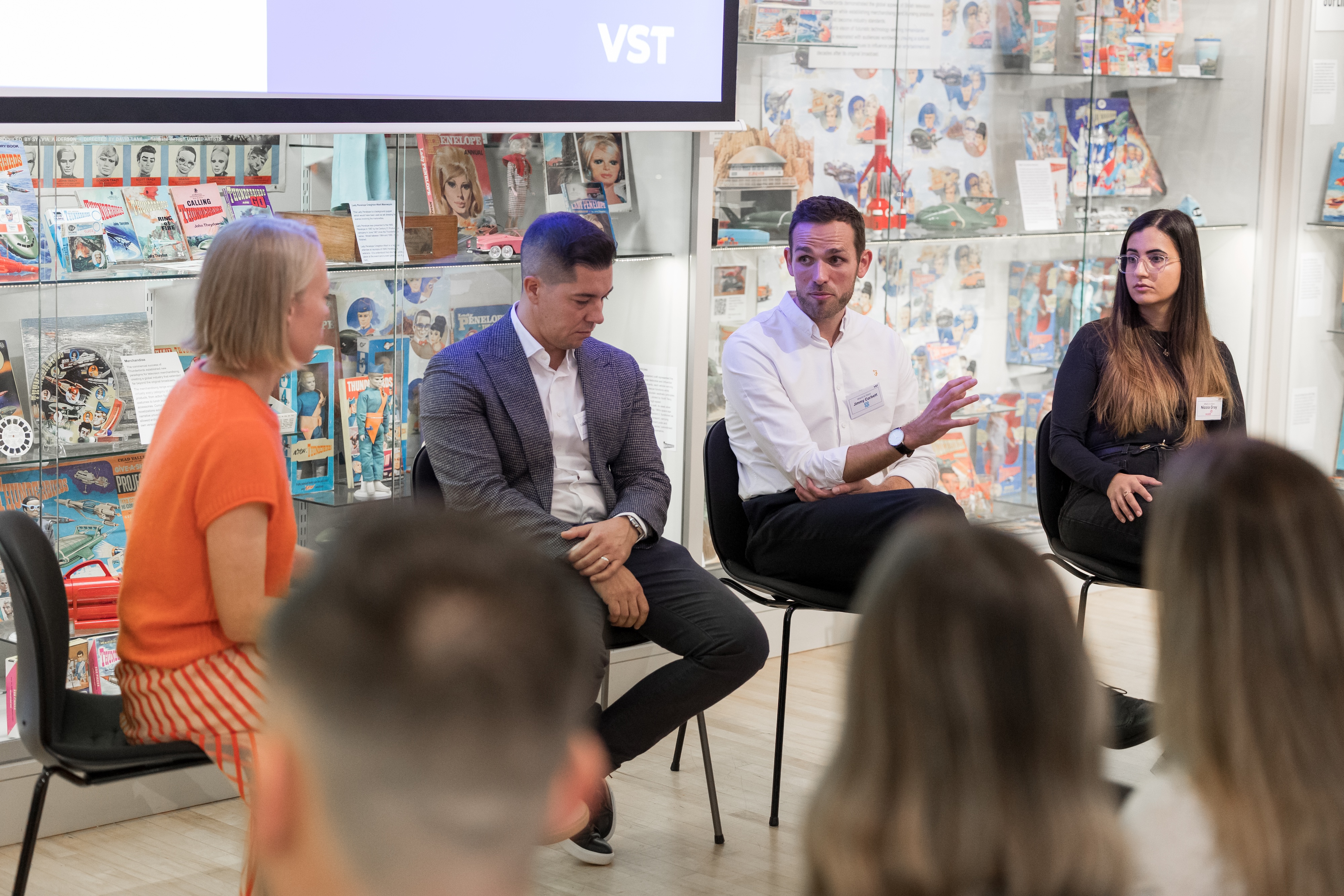
Last week, we hosted What's In-Store at the Museum of Brands in London. Over 30 category and shopper marketing leaders from CPG brands came together to talk about how shoppers are changing and what that means for the industry. The opening keynote started with something unexpected. Grocery is cool. Not in a "let's say grocery is cool" marketing way, but actually cool. Shoppers are defining themselves by what and where they buy. Paul Mescal photographed with a Sweetgreen bag caused a stir that led to a flurry of footfall and demand for the bags themselves. It became a Halloween costume. Trader Joe's bags have become fashion statements. Being photographed shopping at the right place or carrying the right grocery bag has become a form of social currency.
TikTok is glamorising grocers and legacy products - the "fridge cigarette" is a thing (look it up). Brands are creating communities of followers who'll pay extra and become evangelists. It's not just about what you eat anymore. It's about the identity you project through where you shop and what's visible in your shopping bag or fridge. And then there were the sperm worms (stick with us) - a testosterone-boosting gummy product that somehow captures how divided and strange shopper trends have become.
Beneath all the cultural weirdness, something more fundamental is shifting. For the first time in over three years, more shoppers are increasing their spend in supermarkets than trying to reduce it. This isn't because the cost of living crisis has disappeared - 71% of shoppers say it remains their number one concern. It's because shopper behaviour has fundamentally shifted, and the groups doing different things have never been more divided.
Here's what we learned from VST data, brands and retailers about what's actually working.
Value has become personal
The "new value equation" came up repeatedly across our panel with Mike Freeman from Nestlé, Nicola Gray from Reckitt, and Jimmy Corbett from Co-op. Shoppers are making trade-offs - cutting in some areas, investing where they see personal return. Value is no longer a single thing. Some prioritise convenience, others health or experiences. Even premium products are growing in convenience retail.

Shopper behaviour shifts by mission and occasion. The same person buying a meal deal drink behaves completely differently when buying a bulk bottle. As Nicola put it, even in inflation, shoppers surprise by paying premiums for immediacy and convenience. The question isn't whether shoppers will pay more - it's whether the benefits are clear enough to justify it.
Jimmy shared how Co-op is laser-focused on what constitutes value within the mission they need to show up for in each category. Top-up missions are becoming more value-oriented and moving into big box and discount. They're re-evaluating who they're competing with outside of just convenience, with increased focus on the role of own-brand.
The shelf is still the battleground
Even in pet food - the most planned purchase category - 45% of shoppers will make changes in-store. In confectionery and snacking, that figure reaches nearly 80%. Shoppers are influenceable at the point of decision, even when they think they've already decided.
Planogram data tells you where products sit, how much space they have, what's adjacent. But it doesn't tell you how shoppers will actually behave when they're standing at the fixture. Different shopper groups react differently to the same changes. Testing with real shoppers before you land a change is the only way to know what will actually work.
How shoppers make decisions has shifted. In 2022, 61% of cost-concerned shoppers were searching for the cheapest product at-shelf. That's now dropped to 47%. They're still identifying the cheapest product first - not necessarily to buy it, but as their anchor point. Your product needs to justify the price increase from that anchor.
This is the journey we've been tracking. It started as price versus price. Then it became value versus price - where experience, convenience, and ethics played a role. Now it's benefits versus price. Shoppers will pay more, but only when the benefits are clear enough to justify moving away from their anchor.
Health trends are divided (and misunderstood)
Obesity is one of the lowest concerns for shoppers in the UK. Yet industry talk is dominated by GLP-1 drugs and impending doom for grocery. The reality? More people are looking to boost testosterone - 30% of shoppers, particularly younger males - than are interested in GLP-1s.
GLP-1 awareness is growing (46% are aware), but it's still relatively low. The more interesting trend is testosterone boosting, because it's so much less catered for. Or is it? The industry has been labelling everything as protein - cereal, drinks, wraps, even popcorn. But if we think about selling benefits rather than features, many shoppers are using protein to boost testosterone. We expect more explicit steps forward on guiding shoppers toward testosterone boosters in the coming year.
At the same time, some of these health-focused shoppers are also driving the boom in nicotine pouches and energy drinks. Different shopper groups are doing opposite things simultaneously - and sometimes the same shoppers are doing opposite things.
This creates a challenge for retailers, particularly in convenience. Co-op talked about the tension of backing health trends through range and space whilst protecting traditionally strong sellers. HFSS impacts, BWS and tobacco volume declines require increased focus on other growth missions - food to go, meals - and taking an educated leap for long-term success.
.png)
