


What's In-Store: November Update
.png)
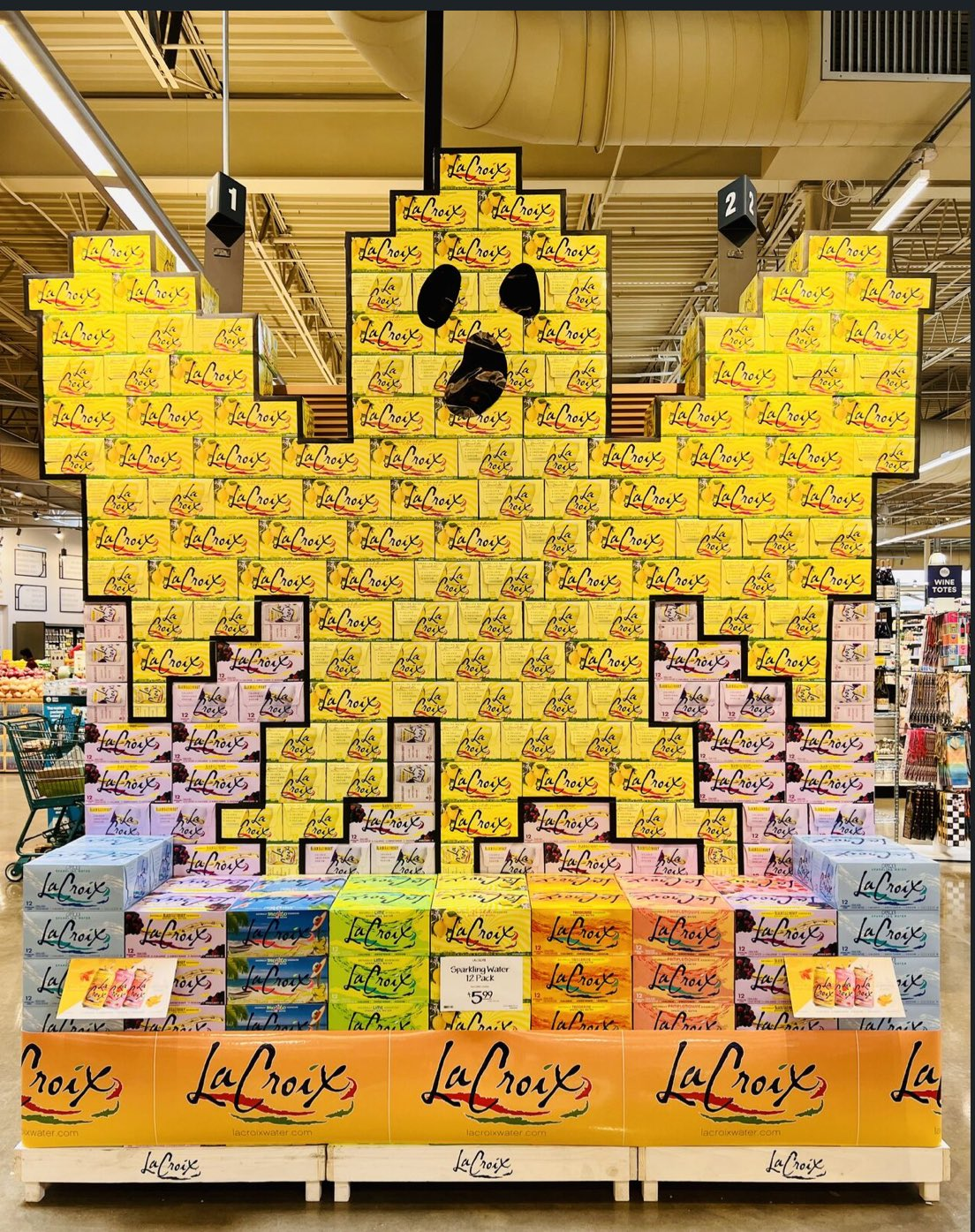
If you’re reading this on Monday, Halloween will have been and gone (sadly, given the wealth of excellent in-store displays), and we now canter towards the end-of-year holiday season.
Read on for last month’s interesting things including Walmart & ChatGPT’s partnership, Protein in Everything (and why some people think that’s bad), Convenience trends, and a roundup of our first “What’s In-Store” event.
October’s Interesting Things
- Walmart & ChatGPT Partnership - The partnership will allow customers to complete purchases from Walmart directly within ChatGPT. A lot of work has been done in the industry behind the scenes of AI usage (e.g. enhancing product catalogues), but the ChatGPT-As-A-Platform is particularly interesting consumer-facing lens. And if Walmart can dominate this ahead of Amazon, it could develop a significant moat.
- Protein in Everything - The protein trend keeps on trucking. This time, Pop Tarts - boasting nearly 2 boiled eggs-worth of protein in one serving.
- Protein UK Backlash - Opposing the above, fitness coach and UK lockdown superstar, Joe Wicks, introduced a “Deathly Protein Bar” to highlight the dangers of Ultra-Processed Foods (UPFs) and health claims. His bar has 19g of protein (double a protein Pop Tart, if you’re asking), 27 vitamins and minerals and over 200 health benefits, but also filled with additives linked to cancer and early death. Interesting concept to generate awareness of UPFs - though I can’t imagine I’m the only one who’s actually very interested to try it.
- Ten Hot Trends in Convenience - The hottest trends for US Convenience retail are dominated by energy drinks this year (I’d suggest this is one trend, but I’ve also had to stretch things to a list of ten in the past), but with a nod to fiber, gut health, and small packs (actually about affordability).
- The History of Trader Joe’s - This 3.5 hour podcast (bear with me) dives into Trader Joe’s - the retailer seemingly going against the 21st century trends, but often beloved by customers, and not only in the US. I started our event last month talking about the cult of Trader Joe’s - this year, they even became a fashion statement, with their bags seen all over the UK as a must-have item (even though they have no stores in the UK). Wild.
VST - What’s In-Store Event, 2025
Last month, we hosted our first What’s In-Store event. I spoke on the theme of “grocery is cool” (yes, me), and why that matters. An excerpt from an article covering the key learnings is below, or the full article can be found here.
Thanks to those of you who attended, our guest speakers from Nestle, Reckitt, and Diageo.
Last week, we hosted What's In-Store at the Museum of Brands in London. Over 30 category and shopper marketing leaders from CPG brands came together to talk about how shoppers are changing and what that means for the industry. The opening keynote started with something unexpected. Grocery is cool. Not in a "let's say grocery is cool" marketing way, but actually cool. Shoppers are defining themselves by what and where they buy. Paul Mescal photographed with a Sweetgreen bag caused a stir that led to a flurry of footfall and demand for the bags themselves. It became a Halloween costume. Trader Joe's bags have become fashion statements. Being photographed shopping at the right place or carrying the right grocery bag has become a form of social currency.
TikTok is glamorising grocers and legacy products - the "fridge cigarette" is a thing (look it up). Brands are creating communities of followers who'll pay extra and become evangelists. It's not just about what you eat anymore. It's about the identity you project through where you shop and what's visible in your shopping bag or fridge. And then there were the sperm worms (stick with us) - a testosterone-boosting gummy product that somehow captures how divided and strange shopper trends have become.
Beneath all the cultural weirdness, something more fundamental is shifting. For the first time in over three years, more shoppers are increasing their spend in supermarkets than trying to reduce it. This isn't because the cost of living crisis has disappeared - 71% of shoppers say it remains their number one concern. It's because shopper behaviour has fundamentally shifted, and the groups doing different things have never been more divided.
Continue reading here…
Podcast
We released a podcast on the future of category management and the role that planogram data plays in unlocking growth for CPGs. Check it out here. I’m on Episode 4, but we’ve also got loads of practical examples from Danone, Reckitt, Red Bull, Heineken, Tesco, and dunnhumby.
Episode 4 - https://open.spotify.com/episode/1cv5Gmc8cLRrTMZqishAeb?si=hbzZl6-fTZyYqRfmcm18PQ
Customer First Radio (All Episodes) - https://open.spotify.com/show/3IcUHuZhcBY9Sv3gGguON5
.png)
